
Insights through Evidence, Impact through Action
Focus Group Discussion
The most basic and commonly used form of data gathering. Suitable for topics where multiple opinions, debate, discussion are desired. Opportunity for inter-personal dynamics to come into play providing richer data and insights. Tight, sharp and focused agenda. The main purpose of using FGD in this study is to get information which respondents can discuss better in group context by generating joint ideas & debates on brand specific issues. An FGD usually last for 1.5 to 2 hours. These group discussions have a maximum of 6-8 persons in them, and they are undertaken for very specific purposes depending on the nature of the study.
1.5 – 2 hours · 6-8 participants

Benefit of Focus Group Discussion
In-Depth Insights
Focus groups provide rich, qualitative data by facilitating open discussions among participants. This method allows for a deeper understanding of attitudes, perceptions, and motivations that might not be captured through surveys alone.
Dynamic Interaction
The group setting fosters spontaneous interaction, which can uncover diverse viewpoints and stimulate new ideas. Participants often build on each other's responses, leading to a more comprehensive exploration of the research topic.
Real Time Feedback
Focus groups enable immediate feedback on concepts, products, or services, providing quick insights into how they are perceived. This real-time interaction allows for the exploration of initial reactions and the refinement of ideas based on direct input from the target audience.
In Depth Interview (IDI)
In-depth interviews, or IDIs for short, are a qualitative research method used in marketing research to gather detailed and comprehensive information from individuals or small groups. They involve one-on-one conversations between a trained research interviewer and the participant, with the aim of exploring the person's thoughts, attitudes, and experiences related to a specific topic or product. IDIs are typically conducted in a structured or semi-structured format, where the researcher has a predetermined set of questions to ask the participant, but is also open to exploring new topics that arise during the interview. Whether you're a marketing professional or simply interested in the research process, this ultimate guide will provide you with valuable insights into this powerful research method.
One-on-one / small groups

Benefit of In Depth Interview (IDI)
Detailed Insight
In-depth interviews provide researchers with the opportunity to delve deep into the participant's thoughts, attitudes, and experiences related to a specific product or topic. This results in a more detailed and nuanced understanding of the participant's perspective than other research methods such as online surveys.
Flexibility in Conversation
Being that they are more conversational in nature, IDIs are flexible and adaptable to the participant's responses. The interviewer can probe further, ask follow-up questions, and explore new topics that arise during the interview, leading to a more natural and productive conversation.
Personal Connection
In-depth interviews are conducted on a one-on-one basis, which allows the interviewer to establish a personal connection with the participant. This rapport can result in more candid and honest responses because the participant is more comfortable in sharing their feedback.
More In-depth Insight
As the name alludes, IDIs result in rich and detailed data that can be analyzed in depth to gain insights into the participant's behavior and decision-making processes. This information can be used to inform marketing strategies, product development, business decisions, or other objectives for conducting market research.
Extended Group Discussion
This methodology is used in studies where the objectives are many, and detailed information is required. An EGD usually last for 2 to 3 hours (Longer & much more in-depth than Focus group Discussions). These group discussions have a maximum of 6-8 persons in them, and they are undertaken for very specific purposes depending on the nature of the study and to be used in studies where a lot and detailed information area is required to explore to meet the research objective. It facilitates for a deeper rapport and greater comfort levels, between respondents themselves and the moderator allowing the use of games and other creative techniques to ensure rich responses. Some fatigue-busting tricks must also be built into the discussion.
Benefits of EGD
The primary application of this qualitative methodology is to execute all the strategic researches (e.g. Brand Equity, Segmentation, Exploratory, Category Understanding, Value proposition Brandmix Evaluation, Trigger and Barrier etc.) that are extremely crucial to determine strategies for the organization to meet business KPIs.
Mini Group Discussion
Mini groups could be focused or extended depending on duration and the nature of data to be gathered. PEER GROUPS are usually conducted as Mini Groups where the main respondent and 3-4 of his or her peers are met in a small group together to discuss issues where peer pressure and dynamics come into play, like understanding brand and purchase decision making processes amongst young adults. Peers could comprise of a group of friends, siblings or co-workers.
Benefits of MGD
Primary application of this tool would be for high profile consumers. It allows the moderator to give extra focus on the group that ensures control and quality data from the consumers.
OBSERVATION (HALF DAY) | OBSERVATION (FULL DAY) | OBSERVATION FOLLOWED BY EXIT INTERVIEW
As the name suggests, this methodology is about observing, watching and understanding consumer behavior when it happens and where it happens. The idea behind observations is to get as close to real life as possible, and the belief is that when a people are busy going about their own schedule of shopping or washing clothes or cooking, even if they know that you are there watching them, they will eventually revert to habits and practices that they are used to, and thus the researcher will be able to pick up the nuances of their behavior. This is a supplementary methodology and the data is analyzed in conjunction with other methods.
Day in the Life
Observing and interviewing the respondent over the course of a day and its chronicling the events, respondent's behavior, interactions.
Product Usage
Watching while the respondent uses a product, like a detergent or a service, like banking.
Accompanied Sessions
Where the researcher goes along with the respondent on a routine chore — observes all the interactions and draws inferences.
Observation followed by Exit Interview
Observations could be participatory where the researcher interacts with the respondent during the course of the observation and later asks reasons/take interview for certain actions.
Consumer Home Visits
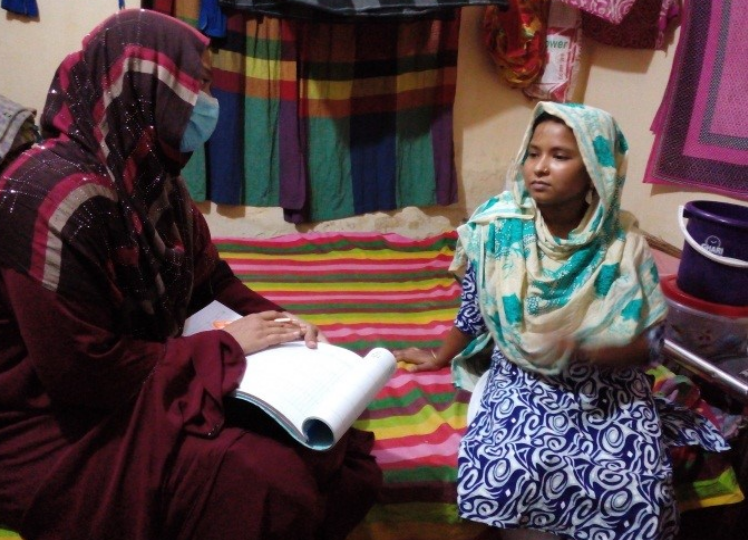
In-home Visit is a type of ethnography; it is one of the most powerful qualitative research methods. By In-home Visit, we can gain deep insights into real usage of the products. In-home Market Research is the trigger for spotting opportunities for breakthrough innovations in marketing activities, advertising, and TV commercials and even in product development.
Workshops
These are interactive sessions with stakeholders where in a number of group games would be organized to help them articulate and express themselves on how they make choices, their needs and their perceptions. This exercise would also help map the elements of similarities and differences in their perception. Brainstorming and concretion sessions with stakeholders. Workshops work on the premise that symbols are more evocative means of expression when compared to words as they access the unconscious areas of the mind. It leverages the power of priming where the participants are aware of the topic of discussion and have also done some background work.

Ethnography
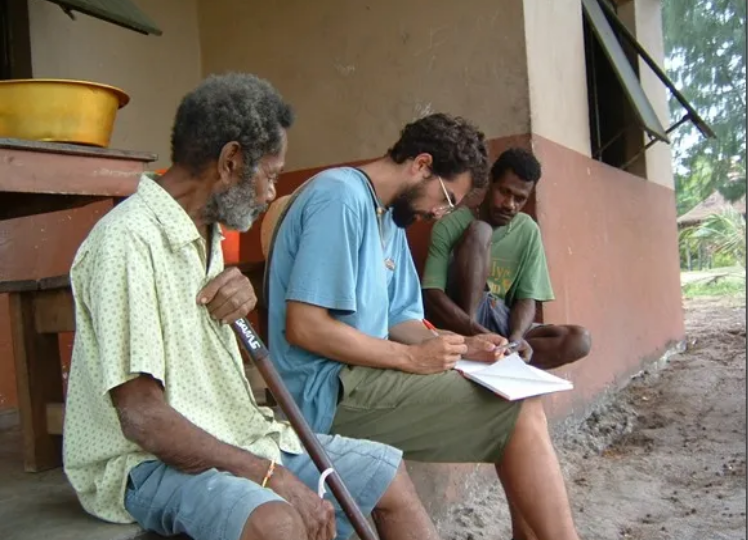
Focuses on observing behaviour in relation to the cultural context in which it occurs Oriented towards direct contact and observation of the consumer in the natural context of product acquisition and usage Specific methodology to meet consumers in their natural habitat and observe their behaviour first hand as opposed to what is claimed in conventional qualitative methodologies such as group discussions and depth interviews Thus, ethnography is about observing what the consumer does and not hearing him say what he does Ethnography is able to capture details and nuances of the consumer's life and thus provide insights into actual habits & behaviour, triggers and barriers as well as met, unmet, partially met or even new and emerging needs with respect to any category
Audit (Phone, Web & Diary) | Central Location Test
Where the researcher takes stock of the items, products and brands present in the respondent's home – be it the kitchen/refrigerator, or dressing table, or wardrobe. Cell phone audit gives you the true picture of consumer's mobile set: frequency of calls, SMS, applications he/she uses, internet using experience etc. In a diary the respondent takes note each day about usage details and experiences.
All the respondents will be recruited by the agencies according to SEC, age, sex, user ship, demographic and psychographic profiling. Planning & recruiting will be continued as parallel. A specific FGD guideline & reporting format will be fixed based on research objective and agency will share the findings as per the agreed timeline. The report must be action oriented and value adding to business.
Central Location Test: Ideation session through brain storming followed by validation via qualitative research methodology (GD/DI).